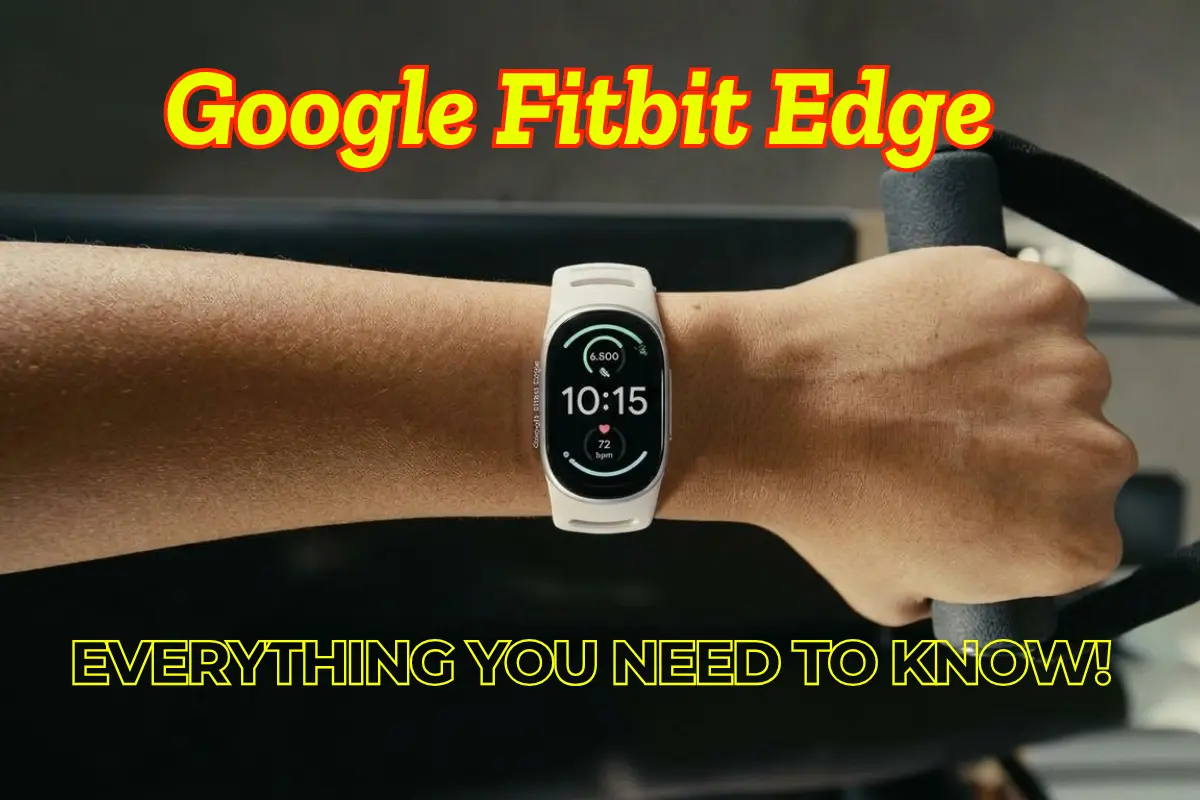
The Google Fitbit Edge is a new fitness tracker designed for people who want detailed health tracking, built-in GPS, a bright display, and long battery life without buying a full smartwatch. Priced at $179.99 in the US, the Google Fitbit Edge combines workout tracking, sleep analysis, health insights, and a replaceable battery in a slim design.
Google announced the Fitbit Edge on October 12, 2026. Pre-orders are open in the US, with retail availability scheduled for October 27. But is this new Fitbit tracker worth $179.99, or would you be better off with a Pixel Watch or another fitness band?
In this Google Fitbit Edge review, we’ll look at its design, display, fitness features, health tracking, battery life, price, and limitations. I’ll also explain who should consider buying it and what to check before placing an order.
Product: Google Fitbit Edge
Price: Check Update Price
Battery life: Up to 7 days, depending on use
Display: Hybrid OLED
GPS: Built-in precision GPS
Water resistance: 5 ATM and IP68 ratings
Phone compatibility: Android 11 or newer and iOS 16.4 or newer
Special feature: User-replaceable battery
Release date: October 27, 2026
Google Fitbit Edge Quick Comparison
| Feature | Google Fitbit Edge |
| Regular price | $179.99 (Check Update Price) |
| Stephen Curry Special Edition | $219.99 (Check Update Price) |
| Display | Hybrid OLED |
| Battery life | Up to 7 days |
| Always-On Display battery life | Up to 2 days |
| GPS | Built-in |
| Exercise modes | More than 50 |
| Automatic workout recognition | Up to 100 activities |
| Health tracking | Heart rate, sleep, HRV, skin temperature and selected health trends |
| Battery replacement | User-replaceable design |
| Water rating | 5 ATM and IP68 |
| Subscription | Three months of Google Health Premium included |
Check the latest price and availability:
- Check Price on Amazon — Google Fitbit Edge
- Check Price on AliExpress — Google Fitbit Edge
Affiliate disclosure: This article may contain affiliate links. If you buy through these links, we may earn a commission at no extra cost to you.
What Is the Google Fitbit Edge?
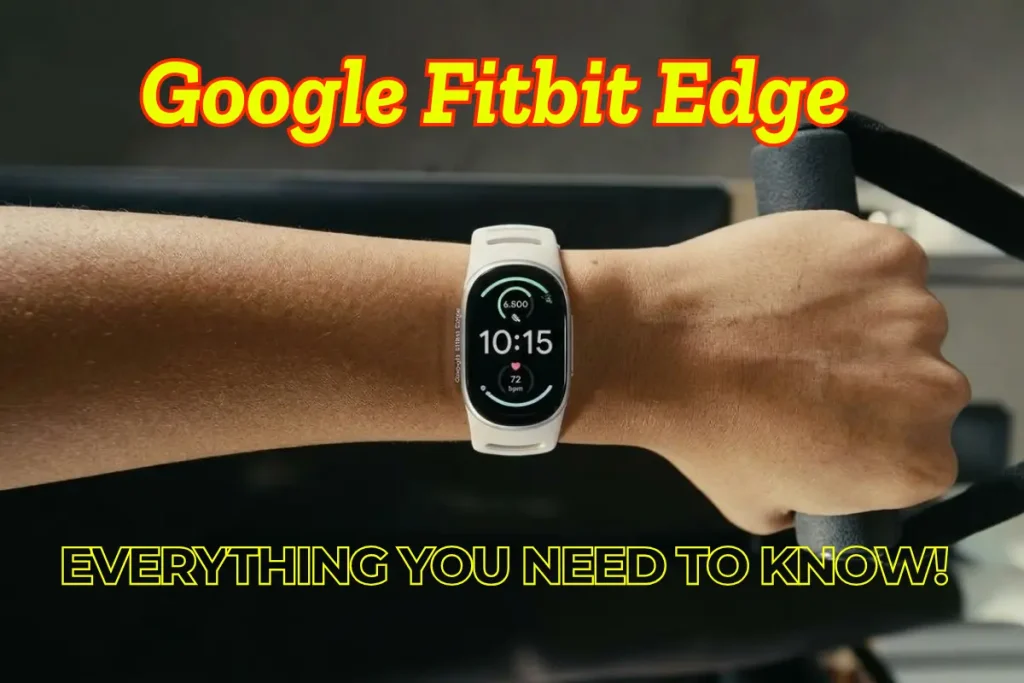
Image Source: Google Store
The Google Fitbit Edge is a fitness tracker that sits between a basic activity band and a feature-rich smartwatch. It has a screen for checking your stats, a physical side button, built-in GPS, and tools for tracking workouts and sleep.
Google designed it for people who want health and fitness information on their wrist without needing all the features of a larger smartwatch.
The Edge can track everyday movement, recognize many workouts automatically, record outdoor routes without carrying a phone, and display smartphone notifications. It also measures several health metrics that can help you understand changes in your activity, sleep, and recovery.
Another major feature is its replaceable battery. Many fitness trackers are difficult to repair when their batteries lose capacity. Google’s design gives the Edge an option for extending its useful life, although repair options and replacement battery costs still need to be checked.
The tracker works with the Google Health app and requires a Google Account and an internet connection for setup. Some advanced features require a separate Google Health Premium subscription.
Google Fitbit Edge Design and Display
The Fitbit Edge measures just 11.5 mm thick. Its slim shape should make it easier to wear during daily activities, workouts, and sleep than a bulky sports watch.
Google uses an aluminum case and pairs it with a soft Active Band. The available standard color combinations are:
- Obsidian with a Matte Black case
- Fog with a Polished Silver case
- Olive with a Satin Pyrite case
- Canyon with a Warm Gold case
The tracker also supports optional bands, including Active Sport, Magnet, and Metal Links styles. A Performance Loop band is planned for release later.
Is the Fitbit Edge Display Easy to Read?
The Hybrid OLED display is one of the main upgrades. Google says it provides 46% more viewing area than previous Fitbit trackers and is designed to remain readable in direct sunlight.
You can check steps, weather, heart rate information, and workout details without opening your phone. The interface also supports sleep information, cycle tracking, Google Maps directions, media controls, and call and message notifications.
A redesigned physical side button gives you a way to control certain functions, including accessing the workout pause screen. This is useful during exercise when tapping a touchscreen may be inconvenient.
The Always-On Display is another option, but it comes with a battery trade-off. Google rates battery life at up to two days with this feature enabled, compared with up to seven days under a battery-saving usage profile.
Overall, the display gives the Edge more room for useful information than a screenless band. However, it is still a fitness tracker rather than a full smartwatch, so buyers should not assume it offers every app or function found on a Pixel Watch.
Google Fitbit Edge Fitness Tracking Review
Fitness tracking is a major reason to consider the Google Fitbit Edge. It supports more than 50 exercise modes, including options for common indoor and outdoor activities.
You can start workouts from your wrist and view real-time guidance. After exercising, the tracker provides a summary of your activity and performance data.
Built-In GPS for Outdoor Workouts
The Edge includes built-in GPS, so you can record outdoor runs and other supported activities without carrying your phone just to track your route.
Google claims GPS accuracy is up to 40% better than previous Fitbit generations. That improvement is based on Google’s product claims; real-world accuracy can still vary with buildings, trees, weather, and the environment.
For runners, walkers, and cyclists, built-in GPS can make the tracker more convenient. You can leave your phone in your pocket or at home when you only need route and workout tracking.
Automatic Workout Detection
Google says the Fitbit Edge can automatically recognize and categorize up to 100 activities. These include outdoor runs, rides, and daily walks.
This feature may help when you forget to start a workout manually. Still, automatic detection should not be treated as a replacement for starting a session yourself when you want a clearly recorded workout.
The tracker also includes an altimeter to measure elevation changes. This can add useful context to hill runs, stair workouts, and hikes.
For someone building a regular exercise routine, these features cover many everyday fitness needs without requiring a large smartwatch.
Health Tracking Features on the Google Fitbit Edge
The Google Fitbit Edge tracks several health metrics around the clock. These include continuous heart rate, heart rate variability (HRV), sleep stages, breathing rate, resting heart rate, blood oxygen information, and skin temperature changes where supported.
The Google Health app brings these readings together so you can review patterns over time rather than looking at each measurement in isolation.
Heart Rate and ECG
Continuous optical heart rate monitoring helps you follow changes in your heart rate during rest, daily movement, and exercise.
The Edge also includes an on-wrist ECG app in selected countries. Availability depends on the region, and the ECG feature is not intended for people under 22.
High and low heart rate alerts are available where supported. These features may help you notice unusual readings, but they cannot confirm a medical condition.
Sleep Tracking and Recovery Score
The tracker analyzes sleep stages and uses overnight measurements, including HRV and skin temperature variation, to help produce a morning recovery score.
This information can help you compare your sleep patterns and recovery trends across different days. It may also help you notice whether late nights, heavy training, or changes in your routine coincide with differences in your readings.
Keep in mind that a wearable’s sleep and recovery estimates are not the same as a clinical sleep assessment.
Blood Pressure and Insulin Resistance Trends
One of the Edge’s more unusual features is Google’s Health Guardian system. Depending on the country and device availability, it can provide blood pressure trends, insulin resistance trends, and high or low heart rate alerts.
These trend features are intended for general wellness and information. They are not real-time clinical readings and cannot diagnose hypertension or diabetes. They should not be used to change medication or treatment plans, and Google says the blood pressure and insulin resistance trend features should not be used by pregnant individuals.
Some health features are available only in selected regions. Before buying the Fitbit Edge for a specific health function, check whether that function is supported where you live.
Google Health Coach and Premium Subscription
Google’s Health Coach is designed to turn activity, sleep, and other measurements into personalized guidance. It can suggest workouts and adjust fitness plans based on your goals and recent patterns.
For example, the service may use your recent activity and recovery information to suggest a workout or recommend a change in effort. The aim is to make the information from the tracker easier to use when planning your routine.
However, advanced coaching requires Google Health Premium, which is sold separately. Buyers get three months of Premium included with the Fitbit Edge.
That means the initial price includes a trial period, but you should check the current subscription terms before purchasing. If you plan to keep using personalized coaching after the included period, the ongoing membership cost belongs in your buying decision.
The tracker can still provide core activity and health measurements, but the value of the more advanced coaching features depends on whether you are willing to pay for the subscription.
Google Fitbit Edge Battery Life and Charging
Battery life is one of the most important parts of any fitness tracker review, especially if you want to wear the device overnight.
Google rates the Fitbit Edge for up to seven days on a charge under a battery-saver usage profile. Actual results will depend on how you use the device, which features you enable, and your environment.
Always-On Display reduces the stated battery life to up to two days. Frequent GPS use and other power-intensive features can also affect how long the tracker lasts between charges.
How Fast Does the Fitbit Edge Charge?
Google says five minutes of charging can provide up to a full day of battery life when the battery is low. A full charge takes around 90 minutes according to the product information.
The tracker uses magnetic charging with the included USB-C cable. A 30W power adapter is sold separately.
Fast charging can be useful if you discover that the battery is low before a workout or bedtime. However, the actual amount of use you get from a short charge will depend on the device’s settings and condition.
Is the Fitbit Edge Battery Replaceable?
Yes. Google describes the Edge as its first repairable fitness tracker, with a modular internal design and a user-replaceable battery.
This is a meaningful difference for people who want to keep a tracker for several years. Battery capacity can decline over time, and being able to replace the battery may help extend the device’s useful life.
There are some limitations. Google has not provided a replacement battery price in the supplied product information, and repair options may vary by region. The company also advises against self-repair unless the person is an adult with the technical skills needed to work safely on electronics.
Before buying, check the available repair options and costs in your area.
Is the Google Fitbit Edge Waterproof?
The Fitbit Edge carries a 5 ATM water protection rating and an IP68 dust and water rating as each device leaves the factory. Google rates it for water resistance up to 50 meters.
These ratings are useful for understanding its protection against water and dust, but they do not mean the tracker is completely waterproof or dustproof.
For normal daily wear and suitable water-related activities, the ratings offer reassurance. Follow Google’s care instructions, especially after exposure to water, and do not assume every water sport or condition is supported.
Google Fitbit Edge Price in the USA
The standard Google Fitbit Edge costs $179.99 in the United States. Google has opened pre-orders, with retail availability scheduled for October 27, 2026.
There is also a Stephen Curry Special Edition priced at $219.99. It uses a distinctive rye-colored, game-day-orange band made with moisture-wicking and water-repellent materials. The coating may wear down with normal use.
Optional accessory bands are sold separately, and prices can vary by style.
Where Can You Buy the Google Fitbit Edge?
The Google Store is the official starting point for checking the standard model, colors, and pre-order details.
Amazon and AliExpress listings, prices, shipping options, and availability may change. Check the seller, return policy, warranty coverage, and exact model before ordering. Do not assume an accessory listing is the complete tracker.
Quick Comparison: Fitbit Edge vs. Pixel Watch vs. Fitbit Air
Google positions the Edge between a more advanced smartwatch and a simpler fitness band. Here is how the three options differ in their intended use.
| Feature | Google Fitbit Edge | Google Pixel Watch 5 | Google Fitbit Air |
| Main purpose | Fitness and health tracking | Full smartwatch experience | Simple, lightweight tracking |
| Display | Hybrid OLED | Smartwatch display | Screenless design |
| Built-in GPS | Yes | Check the specific model | Check official model specifications |
| Battery approach | Up to 7 days claimed | Depends on model and use | Depends on model and use |
| Replaceable battery | Yes, user-replaceable design | Check model-specific repair options | Check model-specific repair options |
| Best fit | People who want a screen and fitness tools | People who want broader smartwatch functions | People who prefer a minimal band |
The Fitbit Edge makes the most sense for someone who wants a visible screen, standalone GPS, and detailed fitness data without choosing a full smartwatch.
A Pixel Watch may be a better fit if you want broader smartwatch functions. The Fitbit Air may suit you better if you prefer a simple band with less on-wrist information.
Before choosing between them, compare the exact features you use most often, rather than relying on the product category alone.
Related Smartwatch Reviews and Buying Guides
If you are comparing fitness trackers and smartwatches, these internal links can help readers explore related products on your website.
Best Smartwatch Reviews and Buying Guides
Use this link for readers who want to compare fitness trackers, running watches, and smartwatches before buying.
Latest Gadget Deals and Coupon Codes
Google Fitbit Edge Pros and Cons
Pros
- Built-in GPS for outdoor workouts without a phone.
- Hybrid OLED display with more viewing area than previous Fitbit trackers.
- Up to seven days of stated battery life under a battery-saver profile.
- User-replaceable battery designed to extend the device’s life.
- Automatic recognition of up to 100 activities.
- Sleep, heart rate, HRV, and other health tracking features.
- Compatible with supported Android phones and iPhones.
- Three months of Google Health Premium included.
Cons
- The $179.99 starting price may be high for people who only need basic step tracking.
- Always-On Display reduces the stated battery life to up to two days.
- Some advanced coaching and health features require a subscription or depend on regional availability.
- The ECG app is not available in every country and has age restrictions.
- Replacement battery pricing and repair availability need to be confirmed.
- It does not offer the same type of full smartwatch experience as a Pixel Watch.
Is the Google Fitbit Edge Worth Buying?
The Google Fitbit Edge looks like a sensible option for people who want more fitness information on their wrist without buying a full smartwatch. Its built-in GPS, larger display, automatic workout recognition, sleep tracking, and replaceable battery give it a clear purpose.
The $179.99 price is easier to justify if you will use several of those features regularly. Runners may appreciate phone-free GPS tracking, while people focused on sleep and recovery may find the daily health summaries useful. The replaceable battery is another reason to consider it if you prefer to keep devices for longer.
There are still a few things to weigh up. The full value of Google’s coaching tools depends on the Premium subscription, and the advertised seven-day battery life is a maximum under a specific usage profile. Buyers should also confirm that the health features they want are available in their country.
I would put the Google Fitbit Edge on the shortlist for anyone who wants a fitness-focused tracker with a screen and built-in GPS. If you mainly need basic step counting, or you want a full smartwatch with a wider range of apps, compare other options before spending $179.99.
Since retail availability is scheduled for October 27, 2026, independent long-term battery tests and hands-on user feedback will be worth checking after the device reaches customers.
Frequently Asked Questions About Google Fitbit Edge
1. How much does the Google Fitbit Edge cost?
The standard Google Fitbit Edge costs $179.99 in the US. The Stephen Curry Special Edition costs $219.99. Optional bands may cost extra.
2. When will the Google Fitbit Edge be available?
Google announced the tracker on October 12, 2026. Pre-orders are open in the US, and retail availability is scheduled for October 27, 2026.
3. How long does the Google Fitbit Edge battery last?
Google rates the battery for up to seven days with a battery-saver usage profile. With Always-On Display enabled, the stated maximum drops to up to two days. Actual results vary with settings and use.
4. Does the Google Fitbit Edge have built-in GPS?
Yes. Built-in GPS lets you record supported outdoor activities without carrying a phone for GPS tracking. Google claims up to 40% better GPS accuracy than previous Fitbit generations.
5. Is the Google Fitbit Edge compatible with iPhone?
Yes. It supports iPhones running iOS 16.4 or newer and most Android phones running Android 11 or newer. You need the Google Health app, a Google Account, and an internet connection for setup.
6. Does the Google Fitbit Edge require a subscription?
Core tracking features are available through the device and Google Health app, but some advanced coaching and health features require Google Health Premium. Three months of Premium are included with the purchase.
7. Can I replace the Google Fitbit Edge battery?
Yes. Google says the Edge has a user-replaceable battery. However, repair options vary by region, and the replacement battery price has not been specified in the provided product information.
8. Can I swim with the Google Fitbit Edge?
The tracker has a 5 ATM water protection rating and an IP68 rating, with water resistance rated up to 50 meters. It is not described as completely waterproof, so check Google’s care and activity guidance before using it for water sports.
9. Does the Google Fitbit Edge measure blood pressure?
It offers blood pressure trends in supported regions, but these are general wellness estimates, not real-time clinical blood pressure readings. They should not be used to diagnose a condition or change treatment.
10. Does the Google Fitbit Edge support ECG?
Yes, an on-wrist ECG app is available in selected countries. It is not intended for people under 22, and availability depends on regional support.
11. Is the Google Fitbit Edge better than the Pixel Watch 5?
It depends on what you need. The Edge is aimed at people who want fitness and health tracking in a slim design. The Pixel Watch 5 is intended for people who want a broader smartwatch experience. Compare the specific features you use before deciding.
12. Is the Google Fitbit Edge worth buying in 2026?
It may be worth buying if you want built-in GPS, a readable display, detailed health tracking, and a replaceable battery. If you only need basic activity tracking or want a full smartwatch, compare alternatives first. Since retail sales begin on October 27, 2026, checking hands-on reviews after launch is a good idea.
Final Verdict
The Google Fitbit Edge brings together a bright OLED display, built-in GPS, automatic workout detection, sleep tracking, and a replaceable battery at a US starting price of $179.99.
Its strongest selling points are the mix of fitness tools and the ability to replace the battery. The main things to consider are the Premium subscription for advanced features, the reduced battery life with Always-On Display, and regional limits on some health functions.
For people who want a fitness tracker with more information on the wrist than a basic band provides, the Fitbit Edge is worth considering. Before ordering, check the official specifications, subscription terms, repair options, and availability in your region.
Ready to check the latest price?
Affiliate disclosure: This article may contain affiliate links. If you buy through these links, we may earn a commission at no extra cost to you.